Column · @archerofzu706
Dental Crowns Oxnard CA: Understanding Your Treatment Options
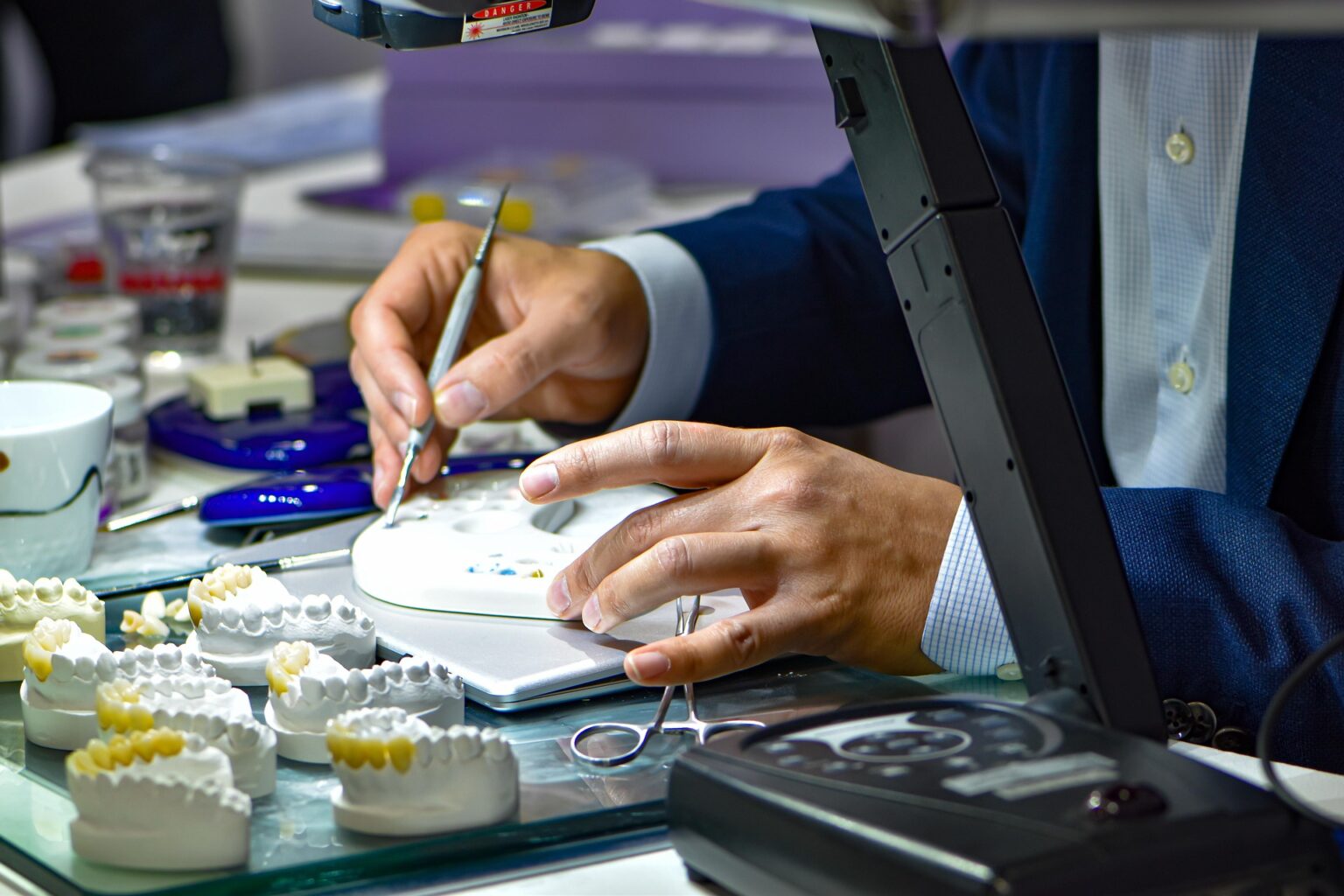
A dental crown is one of those treatments people often hear about long before they actually need one. Then the day comes, a tooth cracks on a popcorn kernel, an old filling fails, or a root canal leaves a back tooth too fragile to trust, and suddenly the word "crown" matters in a very practical way. Patients usually want the same answers right away. Do I really need it? What kind should I choose? How long will it last? And how much of my natural tooth can be saved?
If you are researching Dental Crowns Oxnard CA, it helps to know that crowns are not a one-size-fits-all service. The right treatment depends on where the tooth sits, how much tooth structure remains, whether you grind your teeth, how visible the tooth is when you smile, and what your long-term goals look like. A front tooth and a heavily used molar do not face the same forces. A small fracture is not managed the same way as a tooth with extensive decay. Good treatment planning comes down to matching the crown, and sometimes the alternative to a crown, to the real condition of the tooth.
What a dental crown actually does
A crown is a custom-made covering that fits over a prepared tooth. Its job is not just cosmetic, though it can dramatically improve appearance. Its primary role is structural. A crown helps reinforce a weakened tooth, restore chewing function, and protect tooth structure that might otherwise continue to break down.
That matters most when a tooth has lost too much support to safely hold a regular filling. Large fillings can work well for many years, but when a cavity or fracture leaves thin walls of enamel, the filling can become a patch on a shaky foundation. In those cases, the crown acts more like a helmet. It redistributes biting forces across the tooth rather than allowing stress to concentrate on one compromised area.
Crowns are also common after root canal treatment, especially on back teeth. Once the nerve is removed, the tooth can remain healthy, but it may be more brittle over time. Molars take significant pressure from chewing, so covering them with a crown often helps prevent vertical cracks that can turn a restorable tooth into one that needs extraction.
When a crown makes sense, and when it may not
One of the most useful conversations you can have with a dentist is not just whether a crown is possible, but whether it is the best use of the remaining tooth. There are times when a crown is clearly the right choice, and there are times when a more conservative option is enough.
A crown is often recommended when a tooth has a large broken filling, a crack that weakens the cusps, decay that undermines the structure, severe wear, or a shape problem that affects function or appearance. It can also support a bridge or complete a dental implant restoration.
There are also situations where a crown may be more treatment than necessary. A smaller cavity, for example, may be better treated with a bonded filling or an inlay or onlay. On the other end of the spectrum, some teeth are too compromised for a predictable crown. If a fracture extends below the gumline or down the root, placing a crown may not solve the real problem.
A practical rule of thumb is that the tooth needs enough healthy structure above the bone and gumline for the crown to grip securely. If that foundation is missing, the crown may loosen, leak, or fail early, even if the ceramic itself looks perfect.
The materials patients hear about most often
Most discussions about Dental Crowns Oxnard CA eventually turn to materials. Patients want something that looks natural, lasts well, and does not create future problems. Those goals sometimes align neatly. Sometimes they compete.
Porcelain and ceramic crowns
All-ceramic crowns are popular because they blend beautifully with natural teeth. On front teeth especially, they can mimic light reflection, translucency, and color variation far better than older opaque materials. A well-made ceramic crown on an upper front tooth should not look flat or chalky. It should look like it belongs there.
For many premolars and some molars, modern ceramics also provide excellent strength. Material selection still matters, though. The strongest ceramics tend to be slightly less translucent than the most cosmetic ones, so the best choice depends on the tooth's location and the demands placed on it.
Zirconia crowns
Zirconia has become a common choice for back teeth because it is strong and durable. It can be especially helpful for patients who clench or grind, although no material is indestructible under heavy parafunctional force. Some zirconia crowns are highly aesthetic and work well in visible areas too, but they are often chosen first for function.
In real practice, zirconia can be a smart solution for molars where chewing strength matters more than subtle translucency. Patients who have fractured porcelain in the past sometimes do very well with zirconia, provided the bite is carefully adjusted.
Porcelain fused to metal
Porcelain fused to metal crowns were once the standard for many cases, and they are still used in certain situations. They offer strength from the metal base with tooth-colored porcelain on the outside. Their downside is cosmetic. Over time, some patients notice a dark line near the gums, especially if the gum tissue recedes. For highly visible teeth, that can be frustrating.
That said, they have served many people reliably for years. A material should not be dismissed simply because it is older. Sometimes a case with limited clearance or specific bite demands still benefits from this design.
Gold and other metal crowns
Metal crowns, particularly high noble gold alloys, have a long history of excellent performance. They are gentle on opposing teeth, highly durable, and require less removal of natural tooth structure than some ceramic options. Their main drawback is appearance. Most people do not want a gold crown where it can be seen.
In posterior teeth that are rarely visible, however, some patients still choose them for longevity. Dentists who have practiced long enough have seen gold crowns last decades when properly maintained.
Why one person gets a same-day crown and another does not
Chairside CAD/CAM systems have made same-day crowns more common. They can be convenient, especially for patients with busy schedules who want to avoid a temporary crown and a second appointment. A digital scan is taken, the crown is designed on software, milled in the office, and bonded or cemented the same day.
That convenience is real, but it is not automatically the best option for every tooth. Some cases benefit from a skilled dental laboratory technician who can layer ceramics for better esthetics, refine contacts and contours, or manage complex color matching. A front tooth with subtle shade variation often deserves more artistry than a fast workflow can provide.
Same-day crowns also depend on case selection. If the tooth margin is hard to capture clearly, or if the bite is unusually complex, a traditional lab-fabricated crown may be the better route. Faster is useful when it does not compromise fit, function, or esthetics.
The process, from diagnosis to final cementation
Most crown treatment follows a familiar sequence, though details vary by office and by tooth.
First comes diagnosis. The dentist examines the tooth clinically and with radiographs, looking for decay, cracks, previous restorations, root canal status, bone support, and gum health. If the tooth hurts, the pattern of pain matters. Sharp pain on biting may suggest a crack. Lingering sensitivity to cold may point to nerve irritation. Those details affect whether a crown alone will solve the problem or whether additional treatment is needed first.
At the preparation appointment, the tooth is shaped to make room for the crown. If there is deep decay or an old filling, the underlying tooth may need a buildup to rebuild lost structure before the crown can be made. Dental Crowns Oxnard CA Many patients do not realize this step can be just as important as the crown itself. A beautifully made crown placed on a weak or poorly sealed core is not a strong restoration.
After preparation, the dentist takes either a digital scan or a traditional impression. The bite is recorded, the shade is selected, and a temporary crown is usually placed if the final crown will be made by a lab. Temporary crowns are not decorative extras. They protect the tooth, preserve spacing, and help keep the gums in a healthy shape for the final delivery.
When the final crown returns, the dentist checks the fit at the margins, the contacts with neighboring teeth, the bite, and the appearance. Small adjustments are common. Once everything is verified, the crown is cemented or bonded in place.
Temporary crowns deserve more respect than they get
Patients often underestimate the importance of the temporary phase. A temporary crown that feels "good enough" can still create trouble if it is loose, too high, or left in place too long. I have seen final appointments become more complicated because a temporary came off repeatedly, the tooth shifted slightly, and now the final crown no longer seats quite the way it should.
If you have a temporary crown, treat it like an active part of treatment, not a placeholder you can ignore. Avoid sticky foods on that side, clean around it gently, and call the office if it loosens or cracks. A few days of inconvenience can prevent a much larger problem later.
How dentists decide between a crown, an onlay, or a filling
Conservative dentistry matters. Not every tooth that can receive a crown should receive one. When enough strong enamel remains, a bonded onlay or inlay may preserve more natural structure while still reinforcing the tooth. This is particularly relevant in premolars and some molars where damage affects one or two cusps rather than the whole tooth.
The challenge is judgment. If the remaining walls are thin, if cracks are visible, or if the tooth already has a long history of repairs, trying to save a little more structure can backfire. A restoration that is technically conservative but structurally inadequate may fail sooner and cost the patient more in the long run.
This is where experience matters. Two teeth can look similar on an X-ray and behave very differently in the mouth. The feel of the remaining tooth structure, the direction of a crack, and the patient's bite pattern often shape the recommendation as much as the image on a screen.
Signs a tooth may be heading toward crown treatment
- A large filling keeps chipping or loosening
- A tooth hurts when biting down, especially on harder foods
- A visible fracture line or broken cusp has appeared
- A root canal-treated molar feels fragile or has lost substantial structure
- A worn-down tooth is becoming short, flat, or sensitive
These signs do not guarantee you need a crown, but they often justify a closer look. Waiting can turn a manageable repair into a more extensive one. A small cusp fracture may be straightforward today and split deeper next month.
Cost, insurance, and why estimates can vary
Patients shopping for Dental Crowns Oxnard CA often find a wide range of fees, and the differences can be confusing. Part of that variation comes from materials and lab costs. Part comes from technology. Part comes from what is included in the treatment plan. A crown on a healthy tooth with ample structure is different from a crown that also needs decay removal, a buildup, gum management, or root canal therapy.
Insurance can help, but benefits are rarely as simple as people hope. Some plans cover crowns at a percentage, often after a deductible, but limitations and waiting periods are common. Insurers may also downgrade payment to a less expensive material, even if the dentist recommends a more esthetic or durable option for your case.
The most useful question is not just "How much is the crown?" But "What exactly is included, and what conditions might change the cost?" If decay is deeper than expected, if the nerve becomes symptomatic, or if the tooth cannot be predictably restored, the plan may need to shift. Clear communication up front saves frustration.
What can go wrong, even when the crown is made well
Crowns have excellent success rates, but no dental work lasts forever. A well-made crown can still fail because the tooth underneath develops new decay, the cement seal breaks down, the bite changes, or the tooth fractures at the root.
Some of the most common complications are not dramatic. Food trapping between teeth, persistent gum inflammation around the margin, sensitivity to temperature, or a bite that feels slightly off can make a technically acceptable crown feel wrong to the patient. Those issues often can be corrected if addressed promptly. Ignored, they can lead to bigger problems.
Bruxism deserves special mention. Patients who clench or grind often focus on the crown material, asking for "the strongest one." Strength matters, but it is only one piece of the puzzle. Bite design, thickness, the underlying tooth, and whether the patient wears a night guard may matter even more. A strong crown on a heavily overloaded tooth is still living a hard life.
Aesthetics are more complicated than shade matching
When the crown is in the smile zone, success depends on more than choosing the right color tab. Shape, surface texture, translucency, and gum symmetry all matter. A front crown can match in color and still stand out because it is too bulky, too flat, or too smooth compared with the neighboring tooth.
The best cosmetic results often come from careful planning. Sometimes photographs are sent to the lab. Sometimes a custom shade appointment is worth the extra time. If you have one highly visible front tooth being restored, especially next to natural teeth with unique character, that extra step can make a noticeable difference.
Patients are often relieved to hear that "perfect white" is not always the goal. Natural teeth have variation. A crown that blends well usually looks alive, not uniform.
If you are older, have gum recession, or have a heavily restored mouth
Crown planning changes with age and dental history. In patients with gum recession, crown margins may become visible more easily. In patients with many existing restorations, the bite may already be altered, which can affect how new crowns function. People with dry mouth, whether from medication, medical conditions, or both, face a higher risk of recurrent decay around crown margins.
Those realities do not make crowns a poor option. They simply raise the importance of tailored planning and maintenance. A patient with recession on a lower premolar might do better with a material choice and margin design that balances strength with appearance. A patient with dry mouth may need more frequent hygiene visits and stronger fluoride support to protect the edges of the restoration.
Recovery and what to expect after placement
Most patients tolerate crown treatment well. Mild gum soreness after preparation or placement is common. If anesthesia was used deeply or a clamp or retraction technique was needed near the gumline, tenderness for a day or two is not unusual. Some temporary sensitivity to temperature can occur, especially if the tooth was already irritated.
Once the final crown is cemented, it should feel integrated fairly quickly. Patients often describe a new crown as feeling slightly "different" at first, even when the bite is correct. The tongue is remarkably sensitive to contour changes. That awareness usually fades within days.
What should not be ignored is persistent pain when biting, prolonged thermal sensitivity, or a bite that still feels high after the first day or two. A small adjustment can make a large difference. Waiting for a high bite to "settle" is rarely a great strategy.
Caring for a crown so it lasts
A crown does not get cavities, but the tooth supporting it absolutely can. The vulnerable area is the margin where the crown meets the tooth. Plaque, dry mouth, and sugary snacking patterns can all shorten the life of a crown by encouraging decay at that edge.
Daily brushing, flossing, and routine dental visits matter as much after crown placement as before. If floss shreds around a crown, mention it. If the gum around one crowned tooth always bleeds, mention it. Small clues often show up well before larger failures do.
For patients who grind, a night guard can be one of the smartest investments they make after getting a crown. It protects not only the new restoration but the surrounding teeth and restorations as well.
Questions worth asking before you move forward
- Why is a crown better for this tooth than a filling or onlay?
- Which material do you recommend for this specific tooth, and why?
- Will I need a buildup, root canal, or temporary crown?
- How should I expect this crown to look and feel compared with my natural teeth?
- What kind of maintenance or bite protection will help it last?
These questions do more than clarify logistics. They tell you whether the recommendation is individualized. The best treatment plans sound specific. They account for your tooth, your bite, your cosmetic priorities, and your risk factors.
Dental Crowns Oxnard CAChoosing care locally in Oxnard
When looking into Dental Crowns Oxnard CA, convenience matters, but it should not be the only filter. A crown is a custom restoration that sits at the intersection of engineering, biology, and aesthetics. The office's diagnostic approach, communication style, impression or scanning quality, lab partnership, and follow-up habits all influence the final result.
A good local fit often comes down to whether the dentist explains trade-offs clearly. You should understand why a certain material is being suggested, whether same-day treatment is advisable in your case, and what the realistic lifespan might be based on your habits and oral condition. If the conversation feels rushed or generic, keep asking questions.
Many crown problems are not caused by bad intentions or poor materials. They come from shortcuts in diagnosis, underestimating a crack, ignoring bite issues, or choosing the wrong restoration for the wrong tooth. Thoughtful planning is what separates a crown that simply fills a space from one that functions comfortably and lasts.
For most patients, a crown is not just a repair. It is an attempt to buy time for a tooth, ideally a lot of time, without pain, repeated patchwork, or surprise failure during a meal. Done well, it should let you chew confidently, clean normally, and stop thinking about that tooth every day. That is usually the mark of successful dentistry, not that the work is invisible on an X-ray, but that it disappears into the routine of your life.
Omni Dental Specialty
1690 E Gonzales Rd
Oxnard, CA 93036, United States
Phone: +1 805-410-9603
FAQ About Dental Crowns Oxnard CA
What is the average cost of a crown in California?
The fee depends on the crown material, tooth condition and any additional treatment. Request an itemized estimate from Omni Dental Specialty after an examination, and confirm insurance benefits before scheduling.
How long do dental crowns last?
Longevity varies with the material, fit, oral hygiene and biting habits. Regular dental reviews help identify wear, damage or decay. A crown does not need replacement solely because it reaches a particular age.
Do teeth go bad under crowns?
Decay can develop in the remaining natural tooth, particularly near the crown margin. Brush with fluoride toothpaste, clean between teeth daily and keep dental appointments. Report new pain or looseness promptly.
Which crown is best for bruxism?
No material suits everyone. Your dentist assesses grinding, tooth position, bite forces and appearance before recommending a crown. A protective appliance may also be recommended to manage stress on the restoration.